
The Future of Content: Create Video With AI Easily
The digital world has changed the way people communicate, learn, buy and connect with brands. Video has become one of the most powerful formats in this new environment, from social media reels and promotional campaigns to tutorials, product launches and personal storytelling.
However, creating quality video content has not always been easy. Traditional video production often requires cameras, editing software, technical skills, creative planning and a lot of time. For small creators, entrepreneurs and growing brands, this can become a major barrier.
This is where artificial intelligence is changing the future of content. Today, it is possible to create video with AI more easily, faster and with fewer technical limitations. AI tools can help transform photos, ideas and prompts into dynamic videos that are ready for social media, marketing campaigns or personal projects.
Platforms like Oopsify are part of this new generation of AI-powered tools. They allow users to transform photos into high-quality cinematic videos in seconds, using advanced AI effects, seamless transitions and personalised prompts. For creators and brands that want to produce more visual content without complex editing processes, this represents a major opportunity.
In this article, we will explore why AI video creation is becoming so important, how it works, and why it is shaping the future of digital content.
Why Video Is the Future of Digital Content
Video is no longer just one format among many. It has become one of the main ways people consume information online. Social media platforms, websites, advertising campaigns and personal brands all rely heavily on video to attract attention and communicate quickly.
The reason is simple: video combines movement, image, sound, emotion and storytelling. A short video can explain an idea faster than a long text. It can show a product in action, tell a story, create a mood or make a brand feel more human.
For businesses, video can help improve visibility, engagement and trust. For creators, it can help grow an audience and make content more memorable. For everyday users, video can turn personal memories into something more emotional and shareable.
This is why learning how to create video with AI is becoming increasingly valuable. AI makes video creation more accessible to people who do not have professional editing experience or large production budgets.
What Does It Mean to Create Video With AI?
To create video with AI means using artificial intelligence tools to generate, edit or enhance video content automatically. Instead of building every scene manually, users can provide images, text prompts or creative instructions, and the AI helps produce a finished or semi-finished video.
Depending on the tool, AI can help with:
· Turning photos into videos.
· Creating movement from still images.
· Adding cinematic effects.
· Generating transitions.
· Enhancing visual quality.
· Suggesting creative styles.
· Creating short social media clips.
· Producing promotional videos.
· Saving time in editing tasks.
This does not mean that human creativity disappears. In fact, AI works best when it supports a clear creative idea. The user still chooses the message, the mood, the audience and the purpose of the content. AI simply makes the production process faster and easier.
Why AI Makes Video Creation Easier
One of the biggest advantages of AI video tools is accessibility. In the past, creating a polished video could require editing knowledge, expensive software and hours of work. Now, AI can automate many of the technical steps.
This is especially useful for people who need to create content regularly. Social media creators, small businesses, marketers and personal brands often need a constant flow of new visuals. AI helps reduce the time between having an idea and publishing the final content.
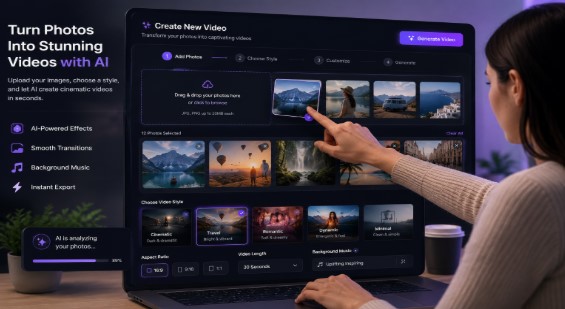
For example, instead of starting from a blank timeline, a creator can upload a photo, choose a style or prompt, and generate a video in seconds. This makes the creative process less intimidating and much more efficient.
AI video creation also helps users test different ideas. A brand can create several versions of a video, compare styles and choose the one that best fits the campaign. This flexibility is very valuable in digital marketing, where speed and experimentation matter.
For many users, the greatest benefit is simplicity. AI video tools remove friction from the process, allowing people to focus on the message rather than the technical details.
How Oopsify Helps Users Create AI Videos
Oopsify is designed for users who want to create AI-powered videos without complicated workflows. The platform allows users to upload photos and transform photos into cinematic videos with dynamic AI effects.
This makes it useful for different types of content, including social media posts, marketing visuals, personal memories, travel content, birthday videos, wedding clips, promotional videos and creative campaigns.
One of the key advantages of Oopsify is that it uses personalised prompts. This means users do not need to spend too much time brainstorming creative ideas from scratch. The tool helps guide the visual result and makes the process easier for people who may not have experience in video editing or content production.
Oopsify also offers features such as instant video creation, advanced AI effects, seamless transitions, music and cinematic realism. These elements help users create videos that feel more dynamic, polished and visually appealing.
AI Video for Social Media Creators
Social media creators need to capture attention quickly. Whether they are posting on Instagram, TikTok, YouTube Shorts or other platforms, the first few seconds of a video can determine whether someone keeps watching or scrolls away.
AI video creation can help creators produce more content from existing material. A single photo can become a short video. A simple idea can become a visual story. A travel image, portrait, product photo or lifestyle shot can be transformed into something more engaging.
This is especially useful for creators who post frequently. Instead of spending hours editing every video manually, AI can help generate content faster while still keeping the result visually attractive.
Creators can use AI videos for:
· Reels and short-form videos.
· Personal branding content.
· Travel memories.
· Fashion and lifestyle posts.
· Product recommendations.
· Visual storytelling.
· Portfolio content.
· Audience engagement.
The goal is not to replace the creator’s personality. The goal is to make it easier to express it visually.
AI Video for Small Businesses and Brands
Small businesses often understand the importance of video marketing, but they may not have the resources to hire a video production team for every campaign. AI helps reduce this gap.
With AI video tools, a small business can create product videos, promotional clips, seasonal campaigns, social media ads and brand storytelling content more easily. This allows smaller brands to compete in digital spaces where visual quality matters.
For example, a boutique can turn product photos into short promotional videos. A restaurant can create dynamic clips from food images. A travel business can transform destination photos into cinematic content. A personal brand can use AI videos to make posts look more professional.
AI video is especially useful for businesses that need content regularly but do not always have time for full production sessions.
AI Video for Personal Memories
AI video creation is not only for businesses. It can also transform personal memories into more emotional visual stories.
Photos from birthdays, weddings, holidays, family moments or special events can become cinematic videos that are easier to share and more engaging to watch. Instead of keeping images stored in a gallery, users can turn them into short videos with movement, transitions and atmosphere.
This is one of the reasons AI video tools are becoming popular with everyday users. They make personal content feel more alive, without requiring editing knowledge.
Oopsify includes personalised themes for occasions such as birthdays, weddings and travel, making it easier to create videos for emotional and memorable moments.
The Role of AI Prompts in Video Creation
Prompts are an important part of AI video creation. A prompt tells the AI what kind of result the user wants. It can describe the style, mood, movement, atmosphere or creative direction of the video.
For example, a user might want a photo to become a cinematic travel scene, a romantic wedding memory, a luxury product video or a dynamic social media clip. The quality of the prompt can influence the final result.
However, not every user knows how to write strong creative prompts. This is why tools that offer dynamic or personalised prompts are useful. They help users achieve better results without needing to be prompt-engineering experts.
With guided prompts, AI video creation becomes easier, faster and more accessible.
Common Mistakes When Creating Video With AI
AI makes video creation easier, but good results still require some strategy. One common mistake is generating videos without a clear purpose. Before creating a video, users should know what they want the content to achieve.
Another mistake is using poor-quality images. If the original photo is blurry, badly lit or visually weak, the final video may also feel less professional. Strong input usually leads to better output.
It is also important not to overload content with too many effects. A video should feel dynamic, but not confusing. The best AI videos usually have a clear visual direction and a simple message.
Common mistakes include:
· Using low-quality photos.
· Creating videos without a clear goal.
· Adding too many effects.
· Ignoring the target audience.
· Using the same style for every platform.
· Forgetting brand consistency.
· Publishing without checking the final result.
AI is a powerful tool, but it works best when combined with thoughtful creative decisions.
How to Use AI Video in a Content Strategy
Creating videos with AI is useful, but the best results come when those videos are part of a wider content strategy. Brands and creators should think about where the video will be published, who will see it and what action they want the viewer to take.
A simple AI video strategy can include:
· Short videos for social media.
· Product clips for promotions.
· Visual stories for brand awareness.
· Seasonal campaigns.
· Personal or emotional content.
· Website visuals.
· Ads and landing page videos.
· Reels created from existing photos.
The key is consistency. AI can help create more content, but the content should still match the brand’s identity, voice and goals.
Tools that help users create video with AI can support this process by turning existing photos into motion content. This makes it easier to reuse visual assets, test different formats and publish more consistently across digital platforms.
The Future of AI Video Creation
The future of content is becoming more visual, faster and more personalised. AI video generation will continue to improve, offering more realistic motion, better quality, stronger personalisation and easier creative control.
This means more people will be able to create video content without needing advanced technical skills. Businesses will be able to launch campaigns faster. Creators will be able to test more ideas. Families and everyday users will be able to transform personal memories into cinematic videos.
As AI tools evolve, the main advantage will not only be speed. It will be creative accessibility. More people will be able to produce content that looks professional, emotional and engaging.
For brands and creators, this shift is important. Those who learn to use AI video tools early will have more flexibility, more creative options and more ways to connect with their audience.
Create Video With AI: A New Way to Produce Content
The future of content is visual, fast and increasingly powered by AI. As video continues to dominate digital platforms, creators, brands and businesses need easier ways to produce engaging content without spending too much time or money on complex production.
Learning how to create video with AI is becoming an important advantage. It allows users to turn photos, ideas and prompts into dynamic videos that can be used for social media, marketing, storytelling and personal memories.
Oopsify makes this process simple by helping users transform photos into cinematic AI videos in seconds. With advanced effects, personalised prompts and an accessible workflow, it gives creators and brands a faster way to produce high-quality visual content.
For anyone looking to stay relevant in the digital age, AI video creation is not just a trend. It is becoming a key part of the future of content.
FAQs About Creating Video With AI
What does it mean to create video with AI?
It means using artificial intelligence tools to generate, edit or enhance video content. AI can transform photos, prompts or ideas into dynamic videos with movement, effects and transitions.
Can I create video with AI without editing experience?
Yes. Many AI video tools are designed for users without technical editing skills. The process is usually simple: upload content, choose a prompt or style and generate the video.
What can I use AI videos for?
AI videos can be used for social media, marketing campaigns, product promotion, personal memories, travel content, birthday videos, wedding clips, brand storytelling and creative projects.
How does Oopsify help create AI videos?
Oopsify helps users transform photos into cinematic videos in seconds using AI effects, seamless transitions, music and personalised prompts.
Are AI videos useful for small businesses?
Yes. Small businesses can use AI videos to create promotional content, product clips, social media posts and brand visuals without needing a full production team.
Do AI videos replace human creativity?
No. AI supports the technical process, but the idea, message, audience and creative direction still come from the user. The best results combine AI tools with human creativity.
← All posts