
The Rise of AI Image to Video: Why Creators Are Embracing Motion Content
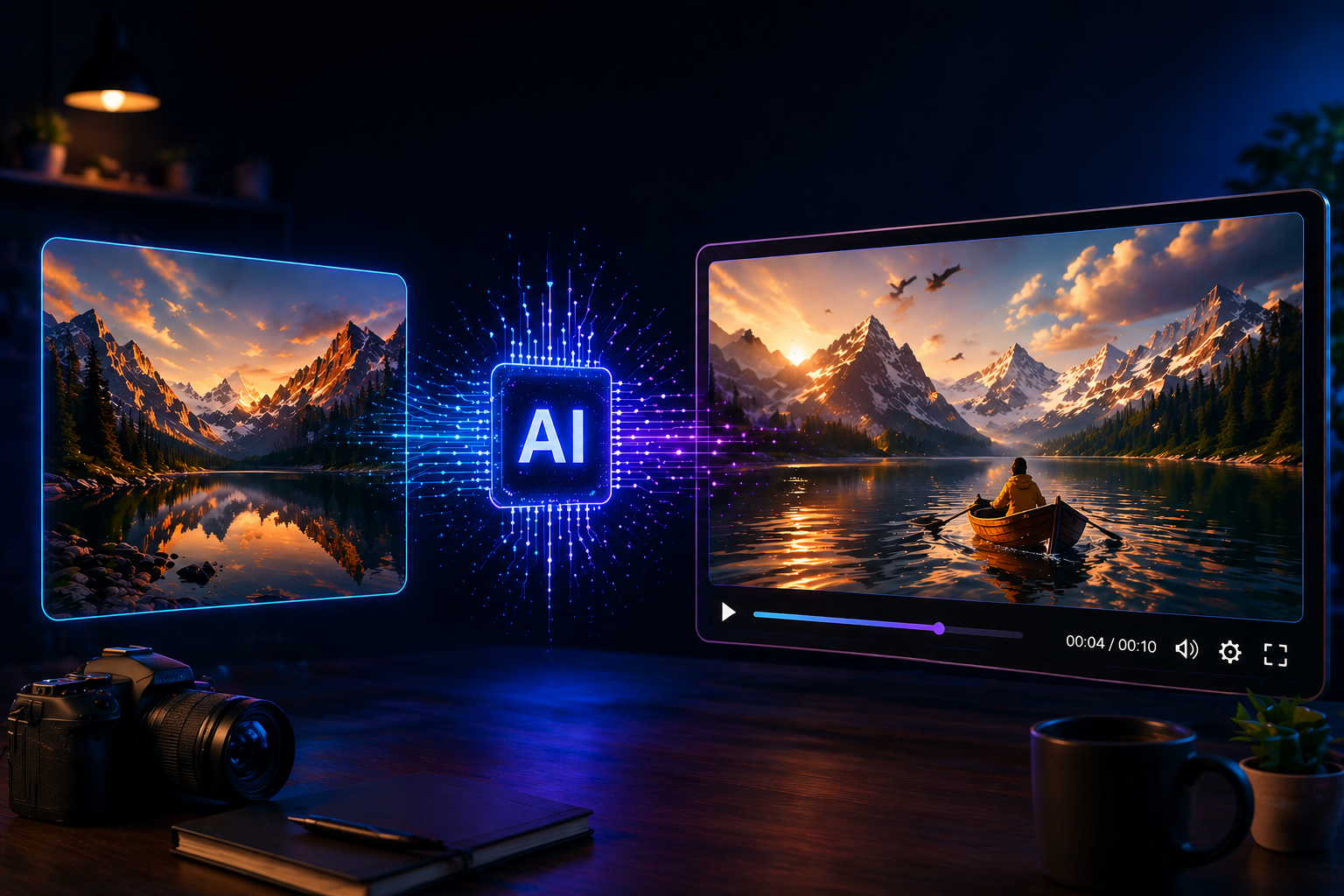
The digital world has evolved rapidly over the last few years, and one of the most exciting developments is the rise of AI image to video technology. This breakthrough innovation is changing how creators produce content, especially in industries where visual storytelling plays a key role.
Image to video technology leverages artificial intelligence to transform static images into dynamic, engaging motion content. It allows creators to convert photographs, illustrations, or any visual content into videos, breathing life into still images and enhancing their storytelling capabilities. With AI now driving much of this process, the opportunities for content creators, brands, and artists have expanded significantly.
In this article, we will explore the rise of AI-powered image to video technology, how it works, and why creators are increasingly embracing it as a tool for elevating their motion content. You can discover more about cutting-edge tools in content creation at Oopsify.
The Rise of AI in Digital Content Creation
Over the past few years, artificial intelligence (AI) has made remarkable strides, particularly in digital content creation. From writing to image generation and now video production, AI has proven to be a versatile and invaluable tool.
In the world of digital content, AI is enabling creators to produce high-quality visuals more efficiently, without the need for extensive technical skills or expensive equipment. The rise of image to video technology is a perfect example of how AI is revolutionizing the creative process. By using machine learning algorithms, AI can analyze static images and automatically generate motion content that is both captivating and fluid.
This technology is not limited to professional filmmakers or animators. With user-friendly platforms and tools, anyone with a basic understanding of digital content can create stunning video content from images. The democratization of content creation is one of the key factors driving the popularity of image to video technology in the digital age.
As reported by the World Economic Forum, AI-driven content creation is rapidly growing, making it easier for creators to bring their ideas to life in ways that were once unimaginable.
How Image to Video Technology Works
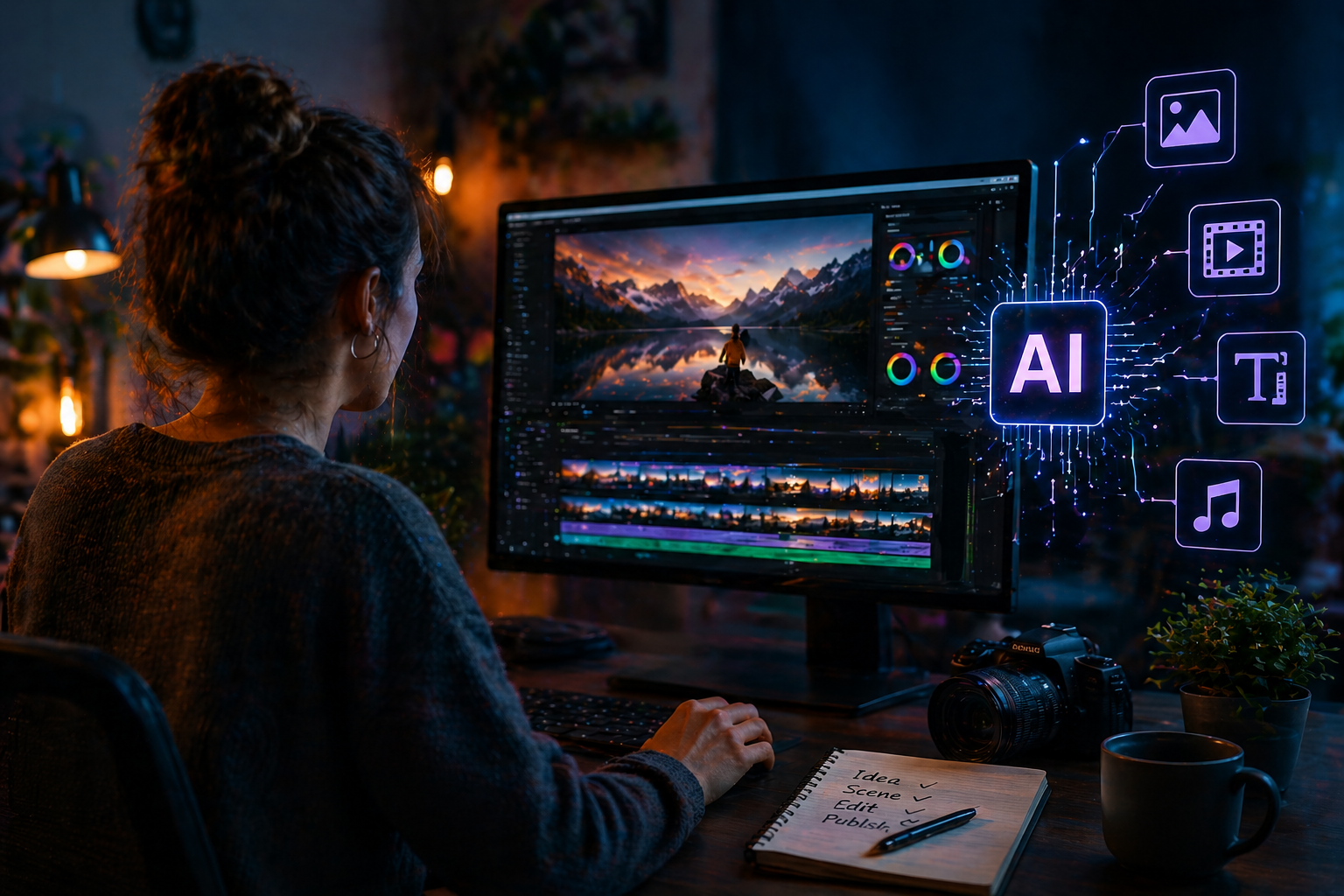
At its core, image to video technology works by applying AI algorithms to transform static images into moving visuals. These algorithms identify elements within the image, such as objects, faces, and backgrounds, and use them to generate motion. The AI essentially animates the image, adding movement, transitions, and even audio to create a seamless video.
For example, AI can take a photograph of a landscape and animate elements within it, such as flowing water, moving clouds, or shifting lighting, to create a more dynamic and engaging video. Similarly, AI can animate portraits or product images, bringing them to life in ways that static images alone cannot.
The key advantage of this technology is its efficiency. Traditionally, animating still images required hours of manual work by artists or animators. With AI, the process becomes much faster, allowing creators to focus on refining their ideas and experimenting with different animations.
Benefits of Using Image to Video in Creative Industries
The creative industries have been quick to adopt image to video technology, and for good reason. This AI-powered tool offers numerous benefits, especially for creators looking to engage their audience with captivating motion content.
1. Time and Cost Efficiency
One of the most significant benefits of using AI image to video technology is the reduction in time and costs. Traditional video production often requires expensive equipment, professional software, and skilled labor. With image to video tools, creators can produce high-quality videos in a fraction of the time and cost, making it accessible to independent creators and small businesses.
2. Increased Engagement
Studies show that video content tends to generate more engagement than static images or text-based content. By converting images into video, creators can enhance their social media presence and attract more viewers. Whether it's an animated product demo or a moving portrait, motion content is more likely to capture the audience's attention and encourage interaction.
3. Flexibility and Customization
AI-powered image to video technology offers a high degree of flexibility. Creators can experiment with different visual styles, motion effects, and music to make the content more personalized and tailored to their audience. This flexibility allows creators to produce unique, branded content that resonates with their target demographic.
4. Creative Freedom
For creators who are not skilled in animation or video editing, image to video technology opens up new creative possibilities. It allows them to turn static content into dynamic videos without needing advanced technical expertise. This has democratized the ability to create high-quality videos, making it easier for anyone to produce professional-looking content.
Challenges and Opportunities with AI Image to Video
While image to video technology offers a wealth of opportunities, it also presents some challenges.
One of the challenges with AI-generated content is ensuring that the quality is consistent and meets the creator’s expectations. While AI can produce impressive results, the output is still subject to the limitations of the algorithms. In some cases, creators may need to fine-tune the animations or manually intervene to ensure the final video meets their desired quality standards.
While AI is a powerful tool, it still has limitations in terms of creativity. AI-generated videos are often based on templates and pre-set parameters, which means that the resulting motion content may lack the spontaneity and originality that human creators bring to the table. However, this is an area of growth, and future AI advancements may address this limitation.
Despite these challenges, the opportunities are vast. As AI continues to evolve, the potential for more complex and sophisticated image to video tools will only increase. This will open up even more possibilities for creators across various industries, from entertainment to marketing, to produce highly engaging content.
FAQs about Image to Video Technology
- What is image to video technology?
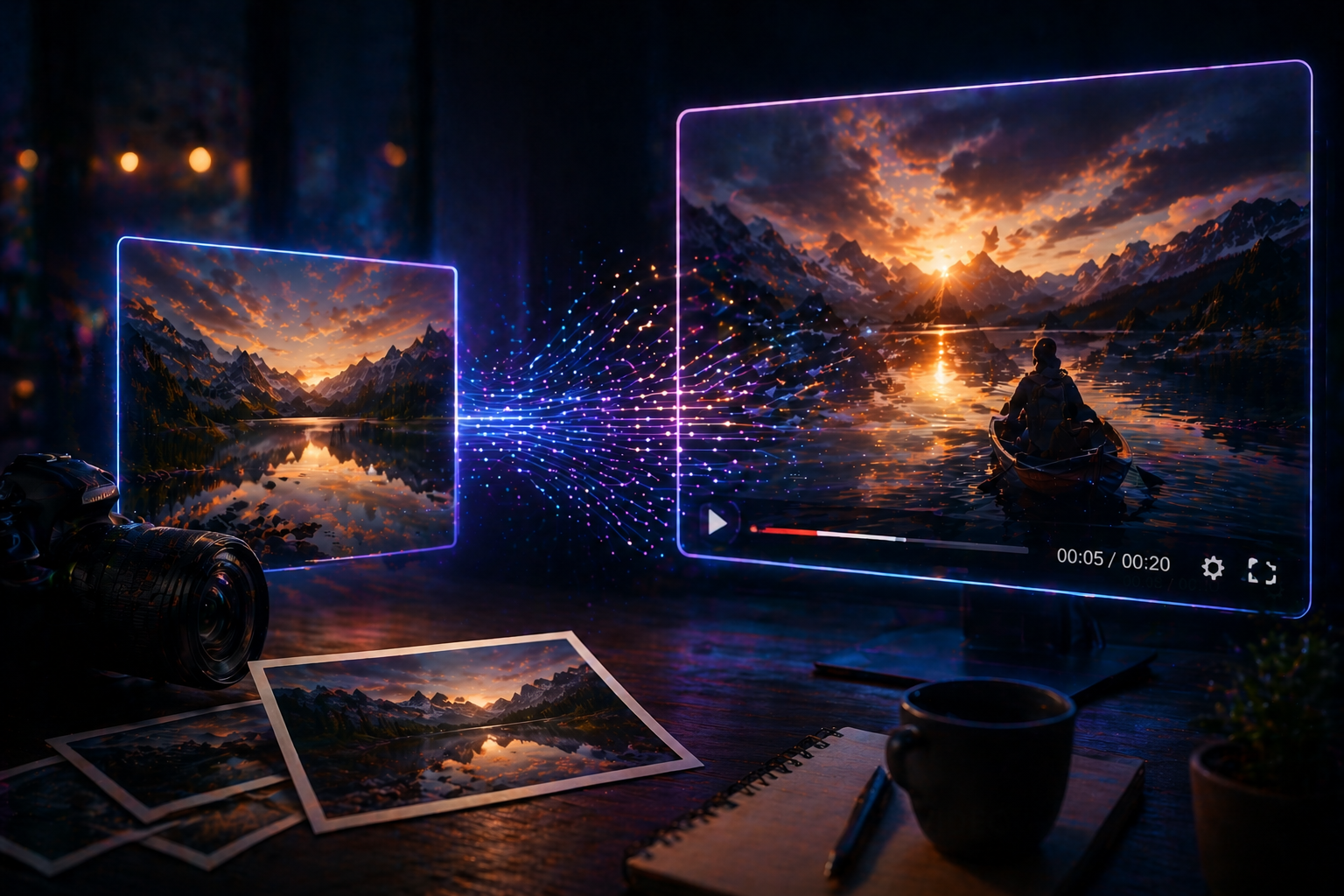
Image to video technology uses AI algorithms to transform static images into dynamic videos by animating elements within the image.
- How does AI work in image to video?
AI analyzes static images and identifies key components like objects, people, or backgrounds. It then applies motion and transitions to create video-like content.
- Can anyone use image to video technology?
Yes, many image to video tools are user-friendly and designed for people with little to no experience in animation or video editing.
- What industries benefit from image to video technology?
Industries like marketing, entertainment, e-commerce, and social media benefit significantly from this technology.
- Are there limitations to AI-generated videos?
Yes, while AI is highly efficient, it may not always produce the level of creativity or quality that a professional animator could achieve. However, it offers immense convenience and speed.
- Is image to video technology the future of content creation?
With the growing demand for video content and the continuous advancement of AI, image to video technology is expected to play a major role in the future of content creation.
Conclusion
AI-powered image to video technology is revolutionizing the world of content creation. From social media influencers to businesses, creators are embracing this tool to bring their images to life in ways that were once unimaginable. The efficiency, flexibility, and creative freedom offered by AI in transforming static images into dynamic video content is a game-changer for the industry.
As this technology continues to evolve, it is likely to become even more sophisticated, offering more opportunities for creators across all sectors. The future of content creation lies in the seamless integration of AI, motion content, and digital storytelling. Embracing this innovation is no longer a luxury—it’s a necessity for anyone looking to stay ahead in the digital landscape.
← All posts